Auto-Personalization:
Personalized Outreach at Scale
Turning manual, high-touch outreach into a self-serve product that
scaled personalization and reduced manual effort by ~66%.
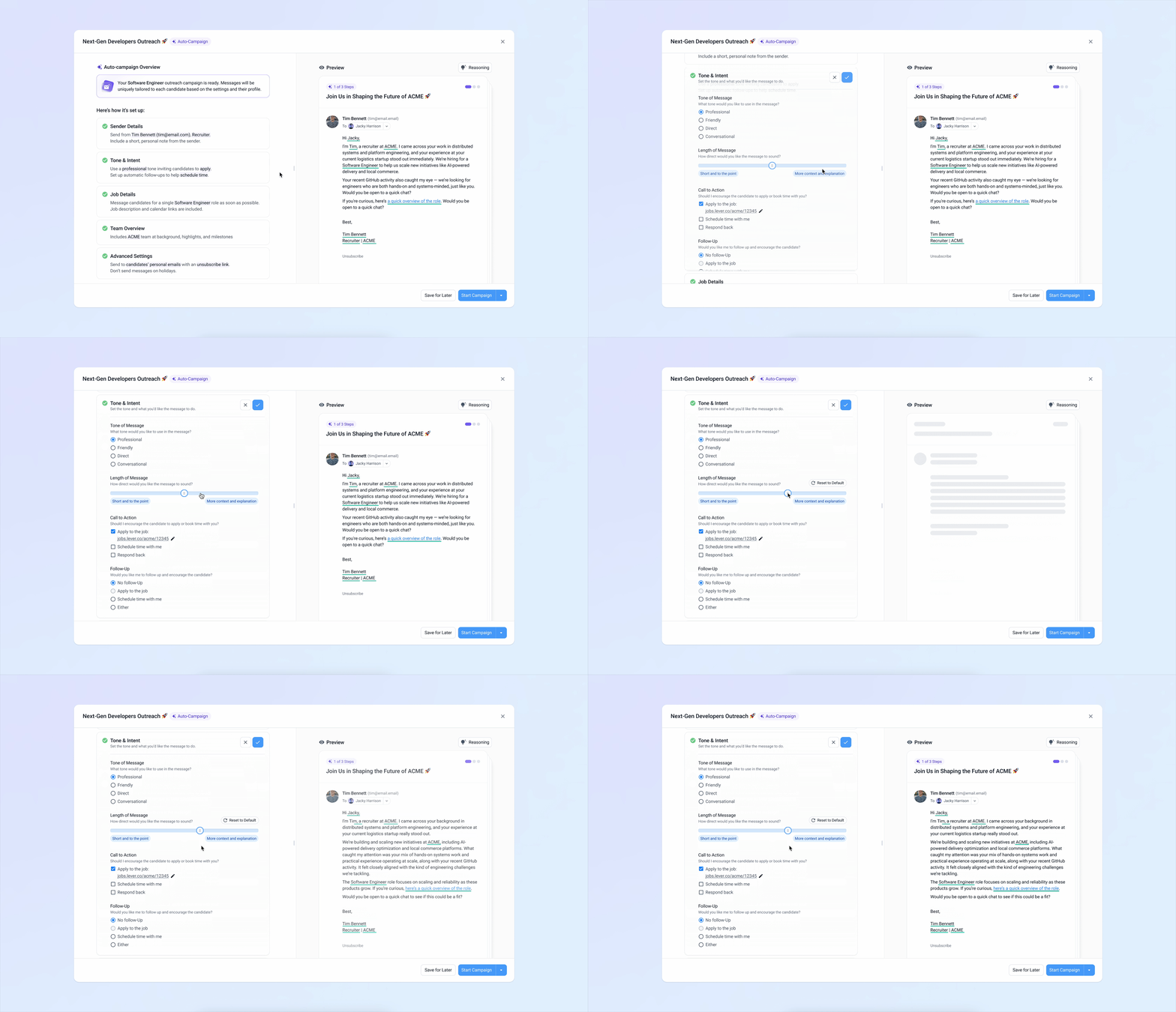
Reducing manual effort while improving personalized outreach
Auto-Personalization helps teams send personalized outreach at scale. Not generic templates, but messages grounded in real career details that actually resonate with recipients.
Leading design from research to launch and beyond
I led design from research through launch, working closely with Product, Engineering, and early customers to turn a high-touch experiment into a self-serve experience. My focus was on building trust in AI-generated messaging through clear points of control.
Outreach at scale
Launched in October 2025, Auto-Personalization helps teams send truly personalized outreach at scale without the burnout or generic templates.
~66% reduction in time spent on outreach
Automating message creation and follow-up freed up time while keeping users in control of tone and content.
2–8x increase in interested responses
Specific, context-aware outreach led to recipients engaging at much higher rates than standard campaigns.
Up to 4x more conversions
Intelligent timing and faster follow-up helped convert interest into meaningful next steps.
Learn more:
🔗 Introducing Auto-Personalization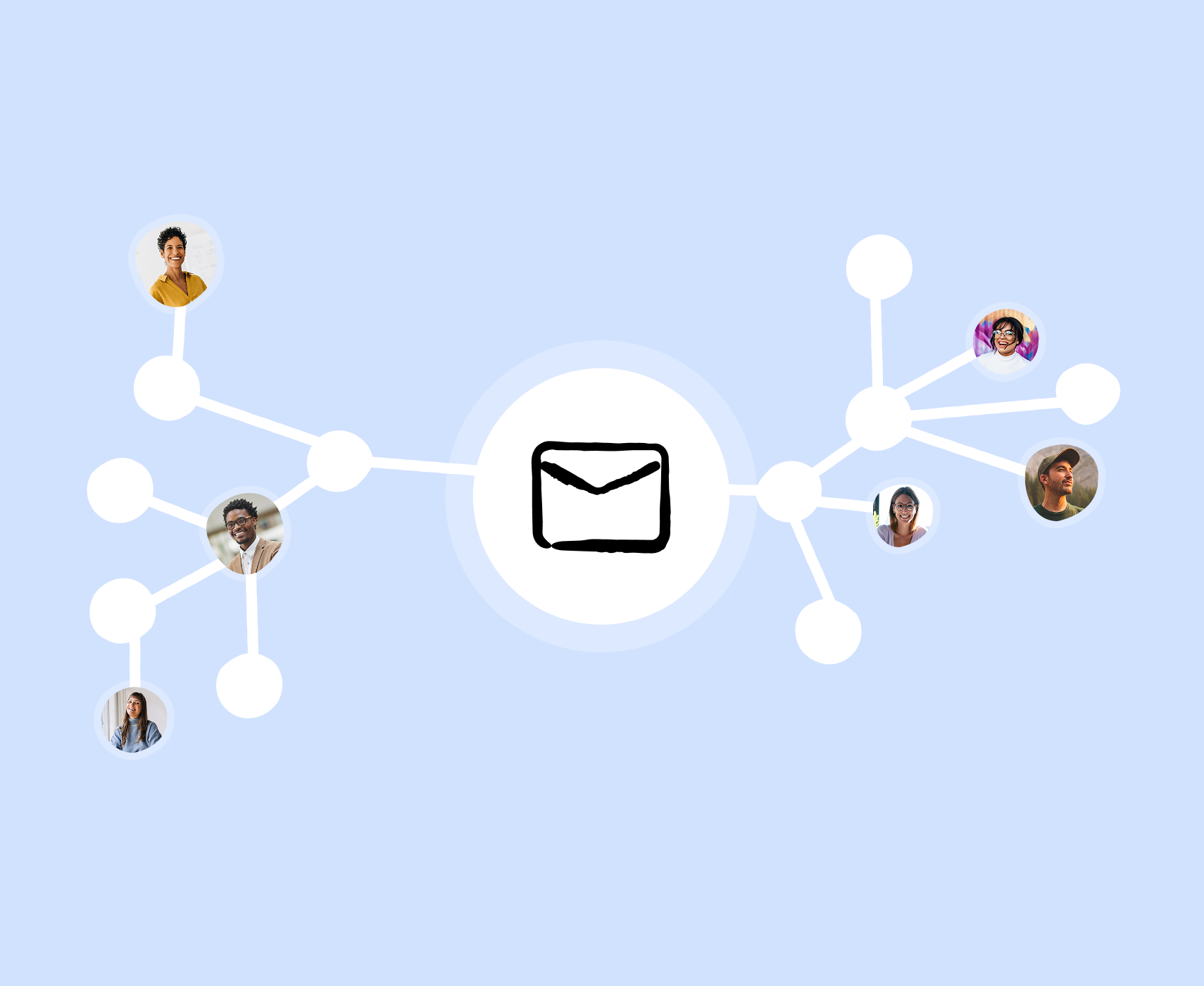
Why we started
As teams scaled outreach, recipient experience started to suffer. Generic messages and mistimed follow-ups dropped engagement and made it harder to build trust, even when the opportunity was relevant.
Sending more messages didn't lead to better outcomes. We saw an opportunity to rethink how personalization and scale could work together, without adding more manual work.
Problem
Users knew that personalized outreach led to better engagement,
but creating it manually didn't scale.
Personalization required too much manual effort
Crafting thoughtful messages for each recipient was time-consuming, and staying responsive required being constantly available.Existing automation felt impersonal
When users tried to scale with automation, the messages felt generic. Recipients noticed, and engagement dropped.Automation saved time, but limited transparency and control
Users were left choosing between manual work that didn't scale and automation they couldn't fully trust or adjust.
Goal
Our goal was to scale personalized outreach that reflected each recipient's background, while keeping users in control and confident in what was being sent.
We set out to:Reduce manual effort in outreach and follow-up
Deliver recipient-specific messaging grounded in real career details, not templates
Improve engagement through more relevant and timely outreach
Give users clear control over tone, intent, and follow-up behavior
Make automation feel reliable and easy to adjust
Approach
We approached this as a system design problem, not a messaging feature. The challenge wasn't generating content. It was designing an AI-powered experience users could trust to represent them at scale.
One insight kept coming up:
Trust in AI is earned through transparency and control.
Users wouldn't adopt a black box. They needed to see what would be sent, understand why it was written that way, and be able to adjust or regenerate when something didn't feel right.
These insights shaped three guiding principles:
Configuration should feel intuitive, not overwhelming
Users wanted AI to do the heavy lifting while still sounding like them through clear, guided inputs.Smart defaults matter more than flexibility
Pre-filled context helped users move faster, without removing the ability to customize.Automation must be visible and interruptible
Previews, regeneration, and pause points were essential to building confidence and adoption.
Together, these principles reinforced a simple belief:
AI should handle the work,
while users stay in control of what matters.
Design evolution
Defining the right level of control
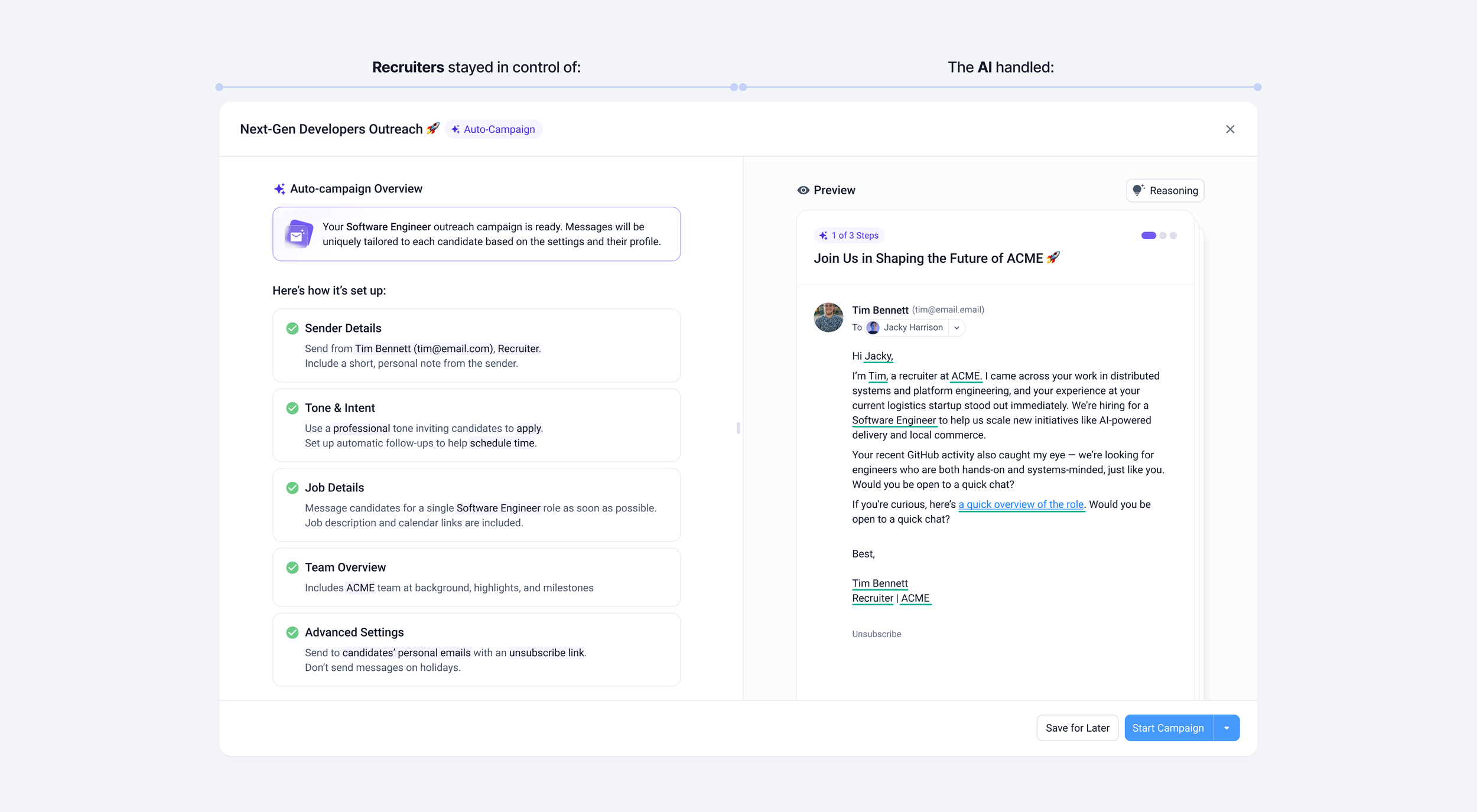
The core design challenge was balancing automation with control. Too little control and users wouldn't trust what was being sent. Too much and automation lost its value. I clarified what the product should handle versus what users needed to decide.
When more became too much
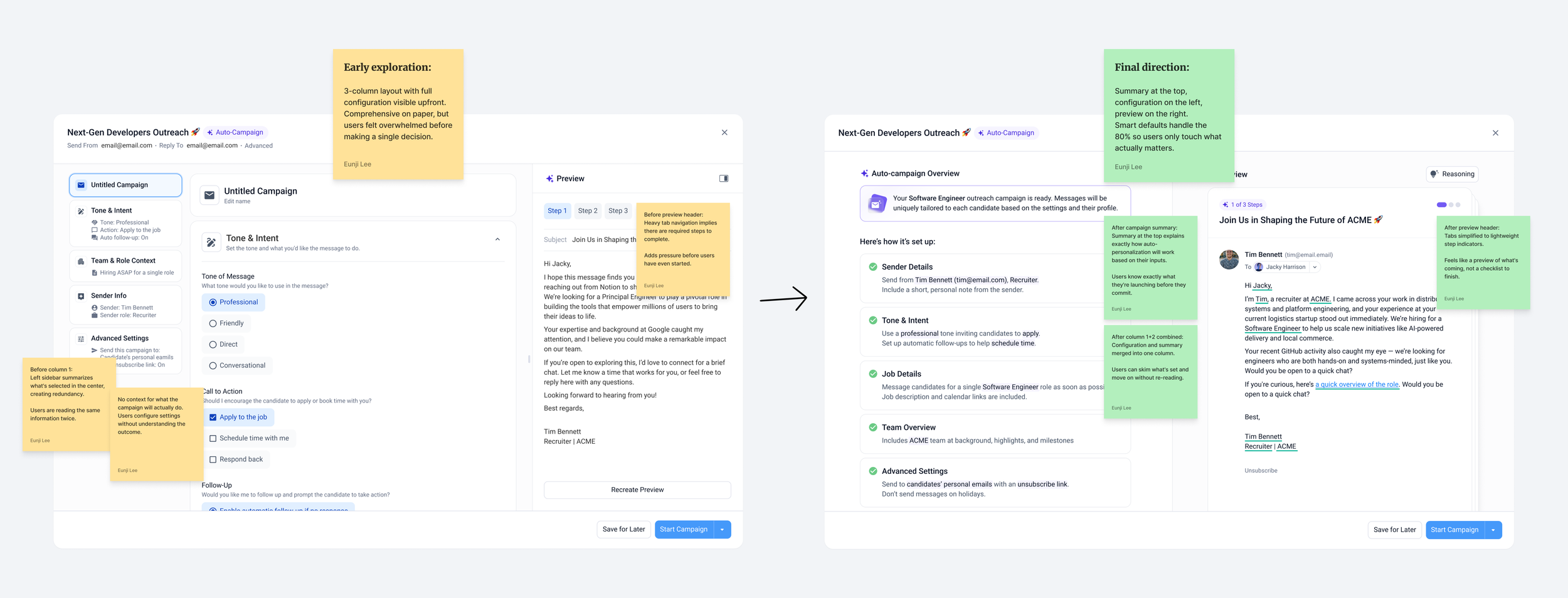
Our first version used three columns: a step indicator on the left, configuration in the center, and a live preview on the right. It was comprehensive, but the feedback was consistent. Users felt overwhelmed before making a single decision.
That pushed us to ask a different question: what's the 20% of decisions that actually matter? Everything else could have a smart default. We moved to a summary view at the top so users could start immediately and only go deeper when needed.
Users stayed in control of:
Tone, call to action, role context and urgency, and who the message was sent from.
The AI handled:
Message structure, recipient-specific personalization grounded in verified career data, timing, cadence, and follow-up logic.
Structuring configuration without overwhelming
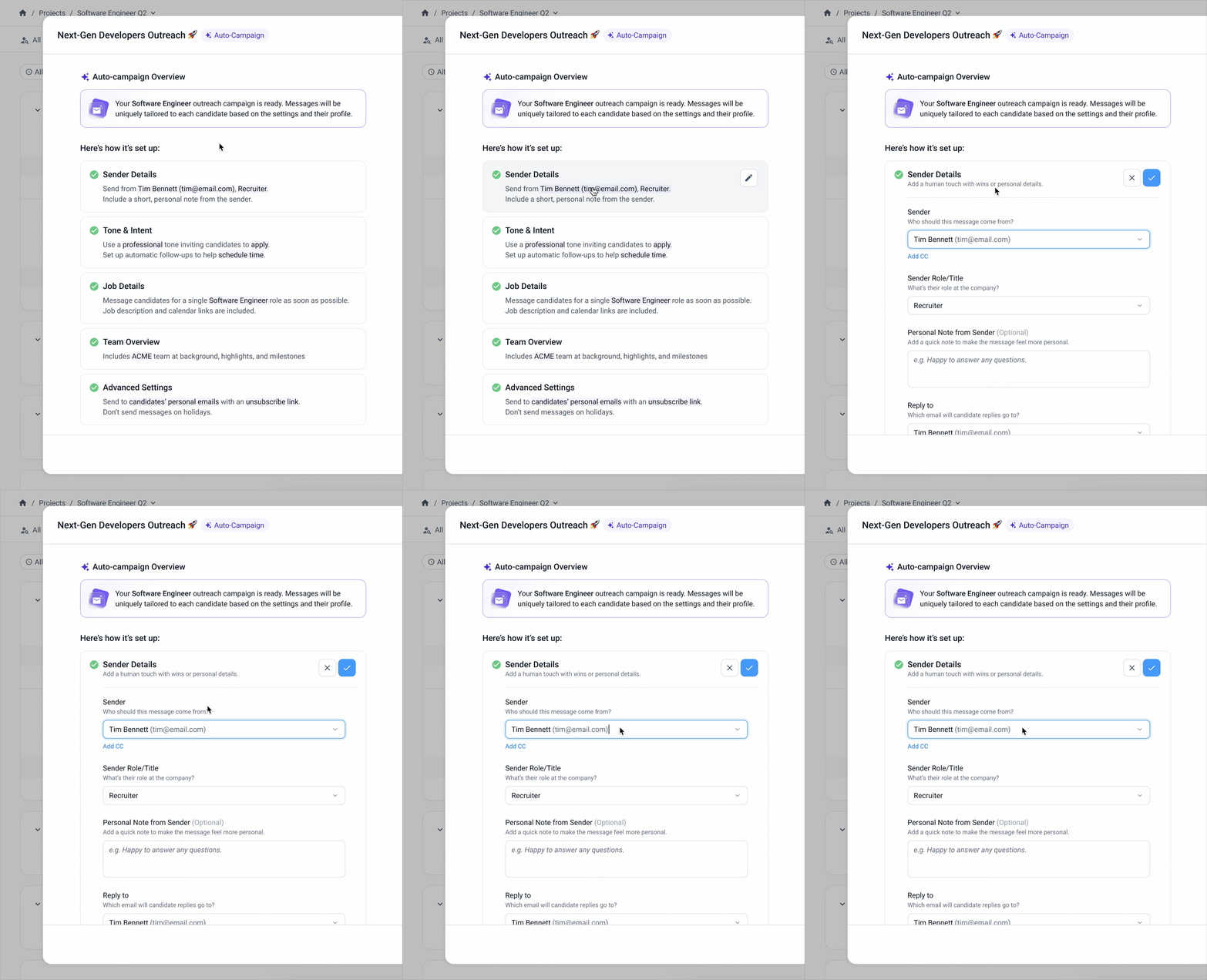
Configuration needed to feel guided, not heavy. Instead of a long open-ended form, the setup was broken into focused sections with smart defaults:
Sender and tone: who's sending and how it should sound
Job context: role details, team highlights, and urgency
Guidance prompts: structured inputs that helped guide the AI without requiring lengthy explanations
Call to action and follow-up: what recipients should do next
Advanced settings: options like holiday avoidance and scheduling preferences
Defaults were pre-filled wherever possible, helping users move quickly while still allowing deeper customization when needed.
Designing for confidence at scale
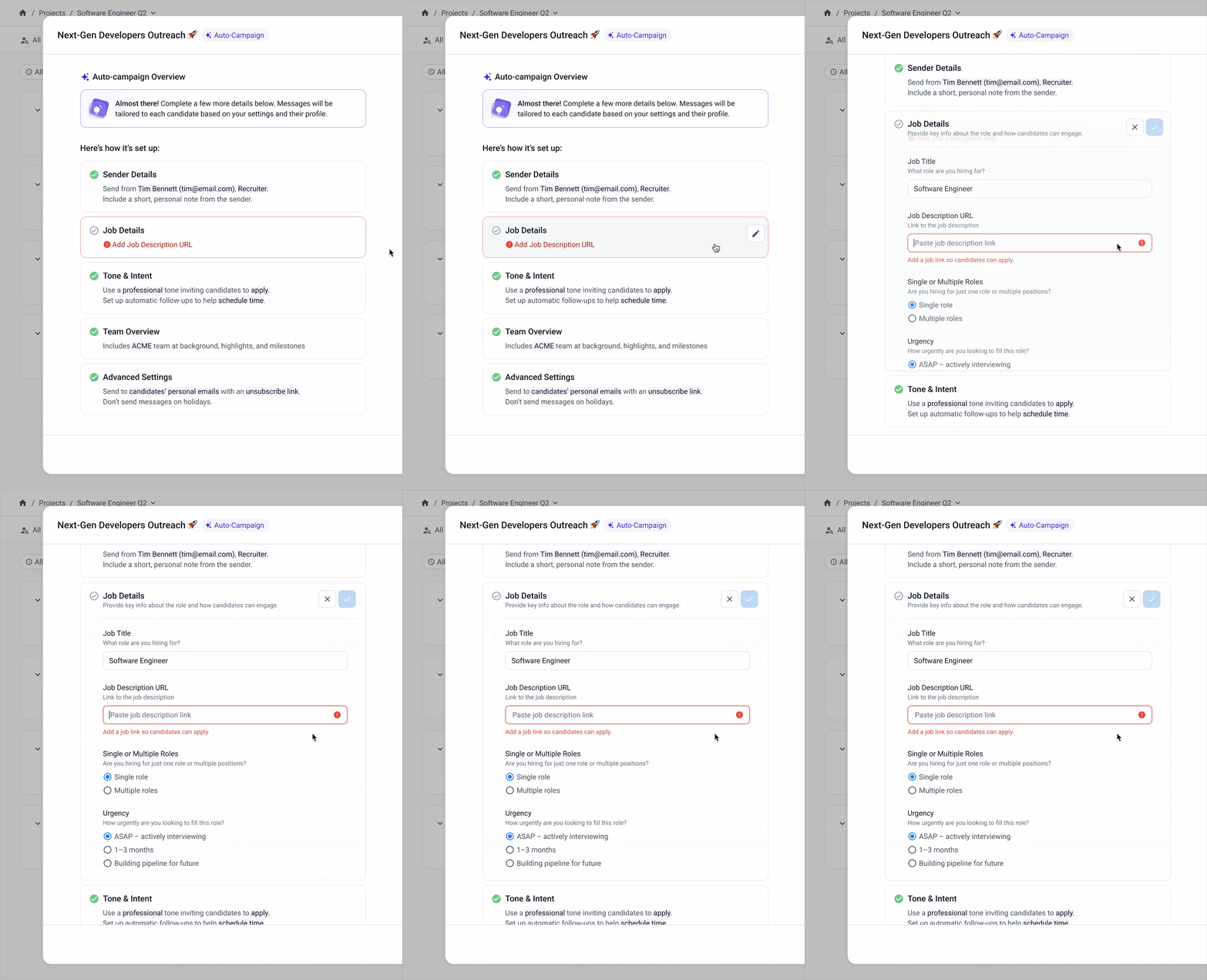
Users needed to know that if something went wrong, it would be easy to understand and fix. I focused on making error handling intuitive and forgiving from the start.
Clear cues surfaced issues early, previews stayed in sync with configuration changes, and edge cases guided users forward without blocking progress. These decisions made auto-personalization feel reliable as adoption grew.
Building trust through preview and calibration
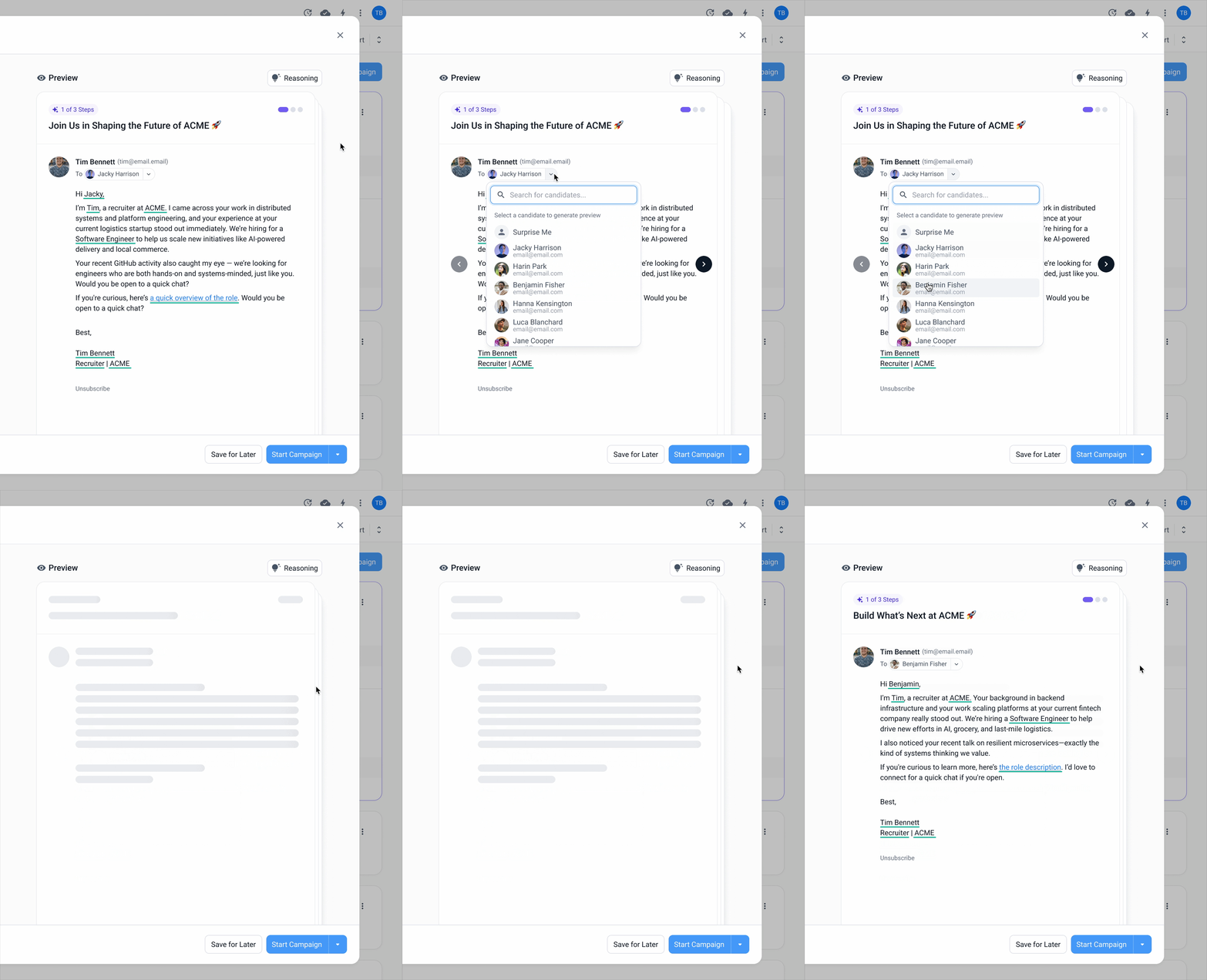
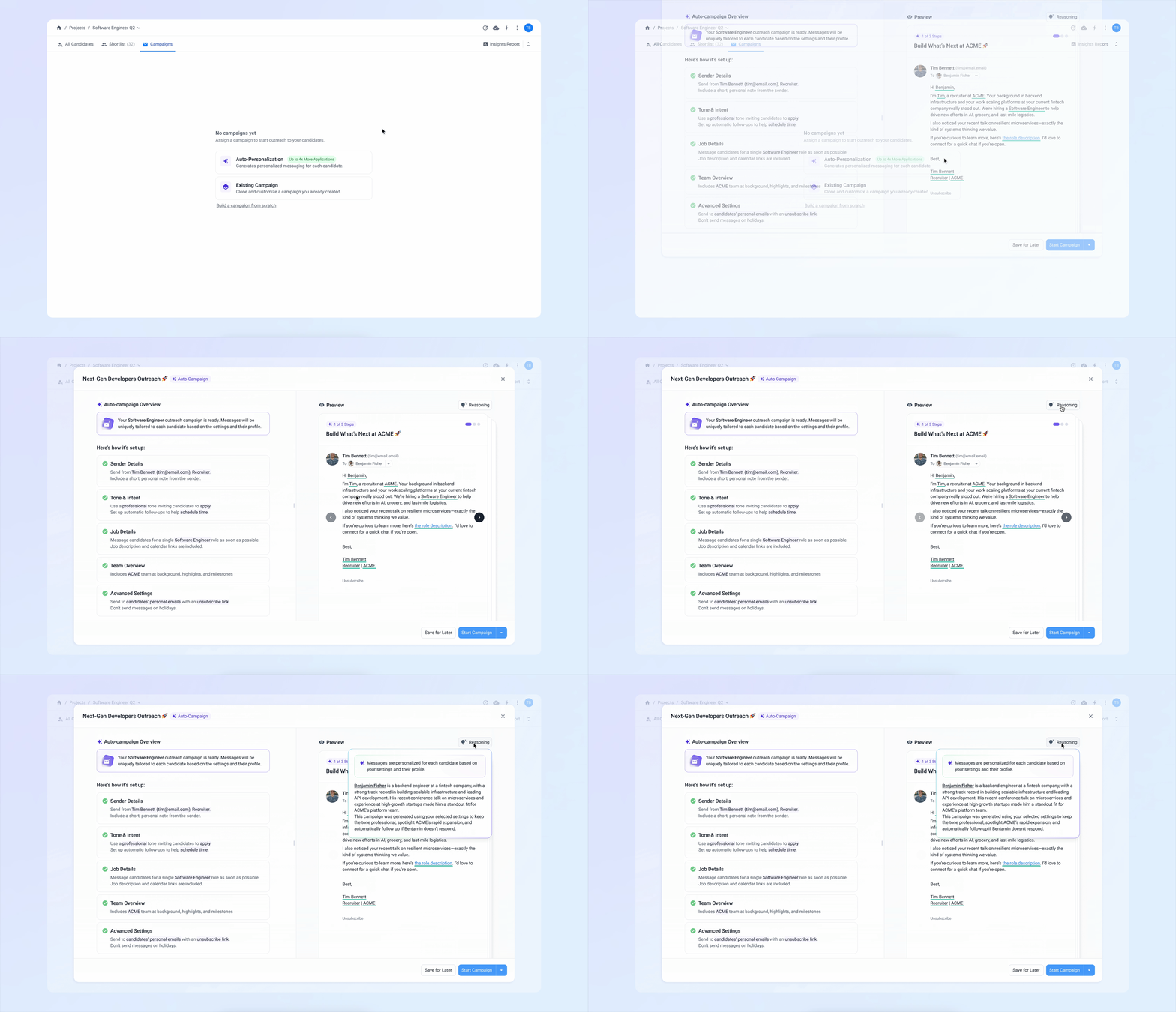
Users had to trust the AI before they'd let it run on their behalf. The preview column showed what would be sent to real recipients before turning automation on.
Messages were generated for real people, not hypothetical examples
Users could regenerate messages with one click when something felt off
Seeing multiple previews helped users recognize patterns and build confidence in how personalization was applied
Launched
Auto-Personalization launched as a self-serve experience. Users set intent once and confidently scale personalized outreach from there.
Instead of managing individual messages, users configure tone, context, and follow-up behavior up front, then review real examples before enabling automation. From there, campaigns feel predictable and easy to oversee, with clear visibility into what's going out and the ability to pause or adjust when needed.
Users shift from writing and monitoring messages to focusing on conversations and next steps.
In-app education: guiding first-time users
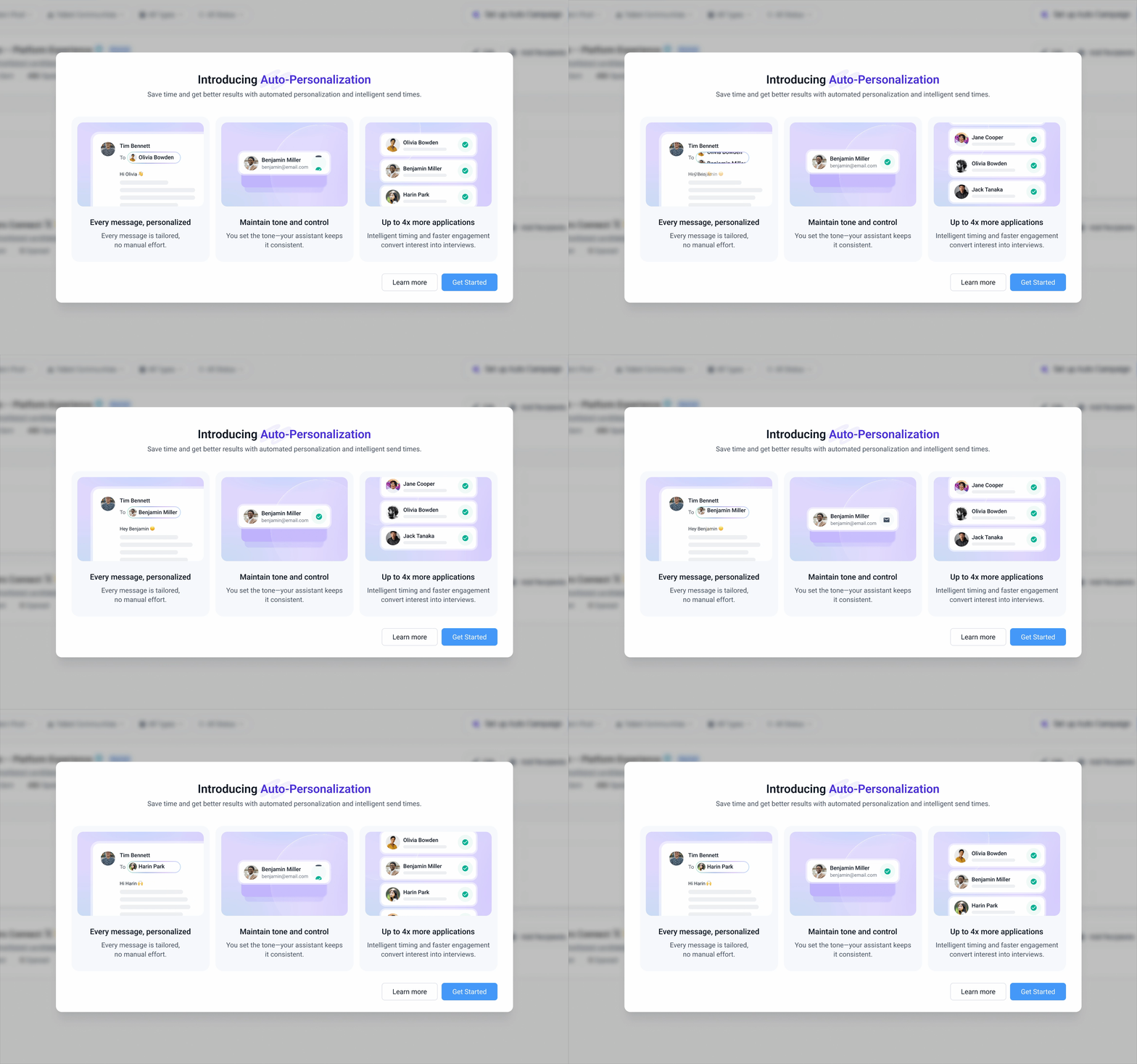
We introduced Auto-Personalization with in-app education to support first-time use. New users are greeted with a brief introduction that explains the value and sets expectations before they interact with the experience. A help center is available for deeper guidance and continues to grow as the product evolves.
Results & impact
Auto-Personalization launched in October 2025 and quickly became one of the most impactful features for teams operating at scale.
~66% less time spent on outreach
Users spent less time drafting and monitoring messages, freeing them up to focus on actual conversations that mattered.2–8× increase in interested responses
Outreach grounded in verified career details drove higher engagement than standard campaigns.Up to 45% response rates for technical roles
Even lesser-known companies hiring for hard-to-fill roles saw strong results.
“A team in Europe is getting a 45% response rate across six campaigns. Especially impressive because the company isn't a known brand and the roles are highly technical.”Up to 4× more conversions
Intelligent timing and automated follow-up converted interest without keeping users always-on.
What we heard
“I need to know this won’t embarrass me. Being able to see what’s going out before I turn it on makes all the difference.”
– User feedback
“If recruiting worked like Slack, for every 10 messages you send, about 2 would reply and only 1 would be interested. That’s the industry norm.”
– CPO, Findem
Reflection
This project reinforced how much trust shapes the success of AI-powered products. Effectiveness alone wasn't enough. Users needed confidence that automation would represent them well in moments that directly shaped relationships.
Turning a high-touch experiment into a self-serve experience meant making careful decisions about where automation should take over and where human judgment needed to stay visible. Small choices around previews, defaults, and control played an outsized role in adoption.
This project shifted how I think about AI products. The design work isn't in what the model does. It's in the moments where users decide to trust it.